Restoring Antiques: Our Family's Passion for Quality
Antique restoration is more than just a hobby for our family; it is a cherished tradition that has been passed down through generations. Each piece we restore tells a story, connecting us to the past while allowing us to breathe new life into forgotten treasures. In this blog post, we will explore the art of restoring antiques, share our family's journey, and provide practical tips for anyone interested in embarking on their own restoration projects.
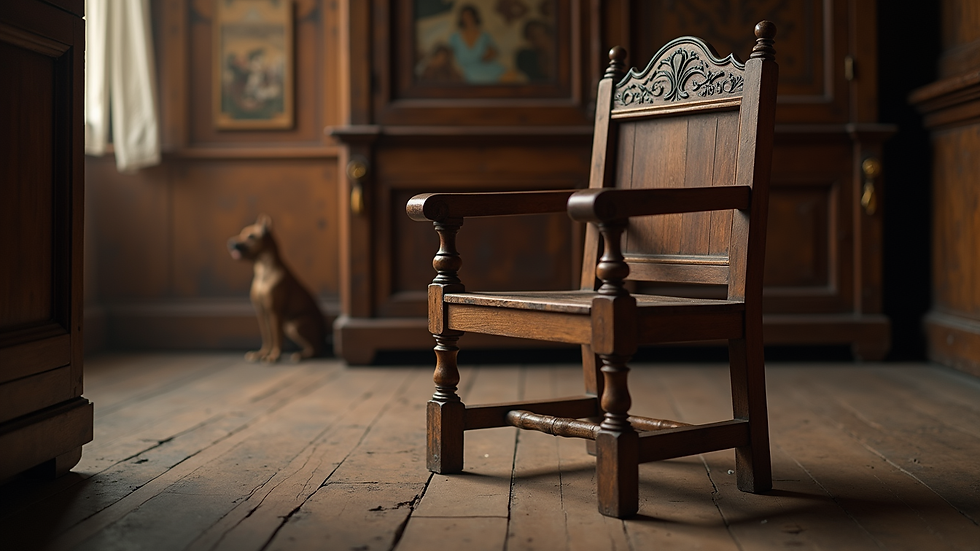
The Allure of Antiques
Antiques hold a unique charm that modern items often lack. They are tangible links to history, each with its own narrative. Whether it’s a Victorian-era dresser or a mid-century modern lamp, antiques can evoke nostalgia and admiration. Here are a few reasons why we are drawn to restoring antiques:
Historical Significance: Each piece has a story, often reflecting the culture and craftsmanship of its time.
Quality Craftsmanship: Many antiques are made from high-quality materials and exhibit craftsmanship that is hard to find in contemporary items.
Sustainability: Restoring antiques is an eco-friendly choice, reducing waste and promoting the reuse of materials.
Our Family's Journey into Restoration
Our family's passion for restoring antiques began with my grandfather, who was a skilled carpenter. He taught us the importance of quality craftsmanship and the value of preserving history. As children, we would spend weekends in his workshop, learning the basics of woodworking and restoration.
Early Projects
Our first restoration project was a simple wooden rocking chair that had seen better days. With my grandfather's guidance, we stripped the old paint, repaired the joints, and refinished the wood. The satisfaction of transforming that chair into a beautiful piece of furniture sparked our love for restoration.
Expanding Our Skills
As we grew older, our projects became more ambitious. We tackled larger pieces, such as dining tables and dressers. Each restoration taught us new techniques, from upholstery to refinishing. We also began to research the history of each piece, learning about the styles and materials used in different eras.
Essential Tools and Techniques for Restoration
Restoring antiques requires a combination of the right tools and techniques. Here are some essentials that we have found invaluable in our restoration journey:
Tools You Will Need
Screwdrivers: A set of various sizes for disassembling furniture.
Sandpaper: Different grits for smoothing surfaces.
Wood Glue: Essential for repairing joints and cracks.
Paint Stripper: For removing old finishes.
Clamps: To hold pieces together while the glue dries.
Techniques to Master
Stripping and Sanding: Removing old paint or varnish is crucial for a successful restoration. Use a paint stripper followed by sanding to achieve a smooth surface.
Repairing Joints: Loose joints can be fixed with wood glue and clamps. Ensure the pieces fit snugly before allowing the glue to dry.
Upholstery: If your antique has fabric, learning basic upholstery skills can greatly enhance its appeal. Start with simple projects like re-covering chairs.
Finding Antiques to Restore
The thrill of discovering a hidden gem is one of the most exciting aspects of antique restoration. Here are some tips for finding antiques worth restoring:
Where to Look
Flea Markets and Garage Sales: These are often treasure troves for unique finds at reasonable prices.
Estate Sales: When families downsize, they often sell valuable antiques that need a new home.
Online Auctions: Websites like eBay and specialized antique auction sites can offer a wide range of items.
What to Look For
Condition: Look for pieces that are structurally sound, even if they have cosmetic damage.
Authenticity: Research the piece to ensure it is genuine and not a reproduction.
Potential: Consider whether the item can be restored to its former glory with some effort.
Challenges in Restoration
While restoring antiques is rewarding, it is not without its challenges. Here are some common obstacles we have faced and how we overcame them:
Time-Consuming Process
Restoration can be a lengthy process, often taking weeks or even months. To manage this, we set realistic timelines and break projects into smaller tasks. This approach keeps us motivated and allows us to enjoy the journey.
Unexpected Discoveries
Sometimes, we uncover hidden damage or repairs that require additional work. For instance, during one restoration, we found extensive woodworm damage in a table. Instead of being discouraged, we saw it as an opportunity to learn more about wood treatment and preservation.
The Joy of Sharing Our Passion
One of the most fulfilling aspects of our restoration journey is sharing our passion with others. We often host workshops and invite friends and family to join us in restoring pieces together. This not only strengthens our skills but also builds a community of like-minded individuals who appreciate the beauty of antiques.
Teaching Others
We believe that everyone should have the opportunity to experience the joy of restoration. By teaching others, we pass on our knowledge and inspire a new generation to appreciate and preserve history.
Conclusion: Embrace the Art of Restoration
Restoring antiques is a labor of love that connects us to our past while allowing us to create something beautiful for the future. Whether you are a seasoned restorer or just starting, the journey is filled with learning and discovery. We encourage you to explore the world of antiques, find a piece that speaks to you, and embark on your own restoration adventure.
By embracing the art of restoration, you not only preserve history but also create lasting memories and connections with your family and community. So gather your tools, find that hidden gem, and start your journey into the fascinating world of antique restoration.


Comments